
David Ogilvy
Quotes & Wisdom
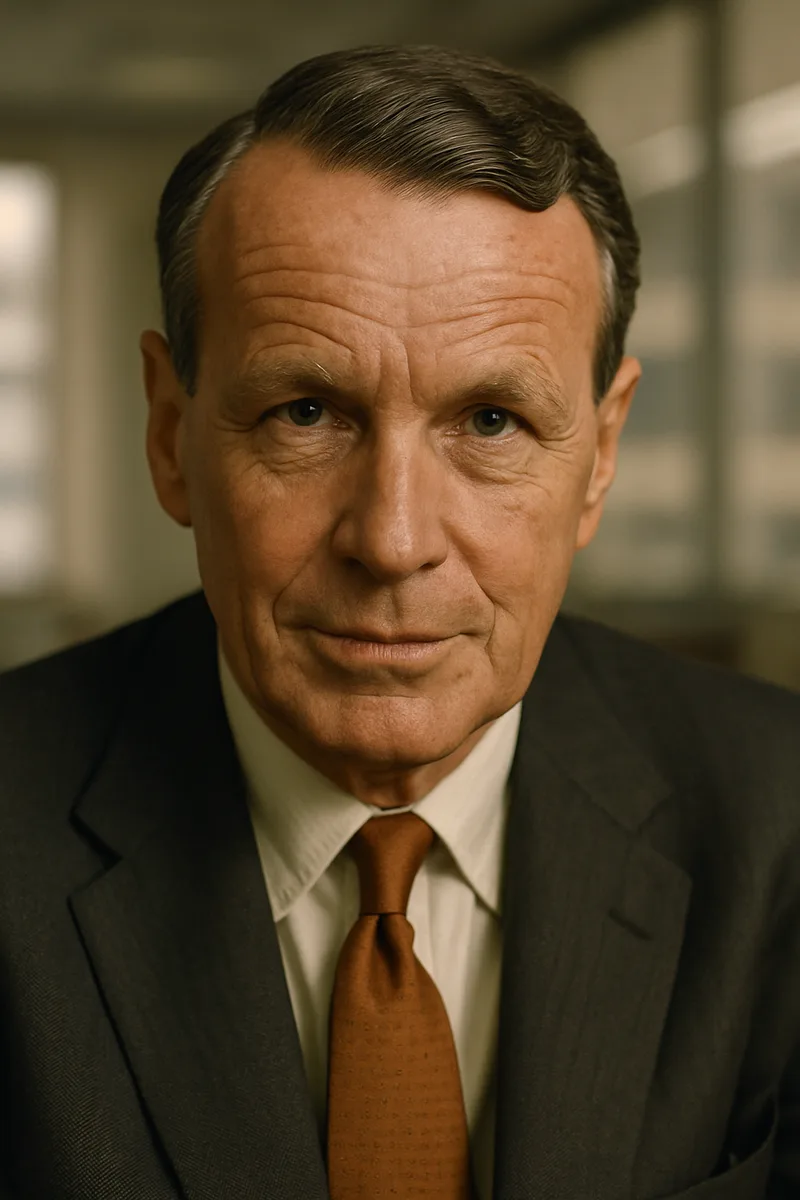
David Ogilvy: The Father of Modern Advertising
David Ogilvy built the advertising agency Ogilvy and Mather into a global powerhouse and, along the way, wrote the rules of modern advertising. Born in England in 1911, he worked as a chef in Paris, an Amish farmer in Pennsylvania, a researcher for George Gallup, and a British intelligence officer before founding his agency in New York in 1948 with no clients and $6,000. His campaigns for Rolls-Royce, Hathaway shirts, and Schweppes became legendary. His books - Confessions of an Advertising Man and Ogilvy on Advertising - are the most widely read works on the craft ever published. Ogilvy insisted that advertising should sell, not just entertain, and that respect for the consumer was the foundation of great marketing.
Context & Background
David Mackenzie Ogilvy was born on June 23, 1911, in West Horsley, Surrey, England. His father was a Gaelic-speaking Scottish financial broker; his mother was Irish. The family experienced financial difficulties during Ogilvy's childhood, but he won scholarships to Fettes College in Edinburgh and then to Christ Church, Oxford, where he studied history - and was expelled after two years for poor academic performance.
This setback launched an extraordinary wandering education. Ogilvy became an apprentice chef at the Hotel Majestic in Paris, where he learned the discipline and perfectionism of a French kitchen. He returned to England to sell Aga cooking stoves door-to-door, producing a sales manual that his employer's board of directors called the finest instruction manual ever written. He then worked for the Gallup polling organization in the United States, learning the research methods that would become central to his advertising philosophy. During World War II, he served in British intelligence, working at the British embassy in Washington.
The postwar American advertising industry was ripe for transformation. Television was emerging as the dominant medium, and agencies were growing rapidly. Madison Avenue in the 1950s was a world of three-martini lunches and creative bravado, but Ogilvy brought something different: a research-driven approach grounded in the belief that advertising existed to sell products, not to win creative awards.
Ogilvy's approach to advertising was built on a few deceptively simple principles. First, research: before writing a single word, understand the product and the consumer. He spent weeks studying a product before composing copy, famously reading every available piece of research about Rolls-Royce before writing the headline: "At 60 miles an hour, the loudest noise in this new Rolls-Royce comes from the electric clock."
Second, the "Big Idea" - every great campaign, Ogilvy believed, was built on a single compelling concept that could sustain years of advertising. The man in the Hathaway shirt (with his distinctive eye patch) and Commander Whitehead for Schweppes were brand characters that created consistent, memorable identities.
Third, respect for the consumer: "The consumer is not a moron. She is your wife." Ogilvy despised advertising that talked down to its audience and insisted on factual, informative copy that gave consumers reasons to buy.
Ogilvy was as gifted a manager as he was a copywriter. He built Ogilvy and Mather into one of the world's largest advertising agencies by attracting talented people and giving them a clear creative philosophy to follow. His internal memos, collected and published after his retirement, are masterclasses in leadership communication - direct, witty, and uncompromising.
He insisted on high standards: no lying, no plagiarism, no campaigns the agency would be ashamed to show their families. He advocated for long-copy print advertisements at a time when the industry was moving toward visual spectacle, arguing that people who were interested in a product would read detailed information about it.
Ogilvy suffered from crippling anxiety throughout his career, despite his outward confidence. He once admitted that he was sick with fear before every new business pitch. He retired to his chateau in Touffou, France, where he cultivated a 30-acre garden and hosted visitors with aristocratic hospitality. He was a passionate advocate for direct-response advertising, which he called "my first love and my secret weapon," because its results were measurable. He was famously generous with advice to young advertising professionals and maintained an extensive correspondence. He was awarded a CBE by Queen Elizabeth II and inducted into various advertising halls of fame. He died on July 21, 1999, at his chateau, having transformed advertising from a disreputable trade into a respected profession - or at least having tried.