
Nudge
Richard H. Thaler · 2008
Psychology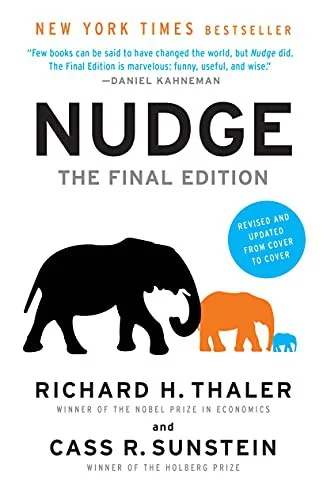
Improving Decisions About Health, Wealth, and Happiness
Nobel laureate Richard Thaler and legal scholar Cass Sunstein show how small changes in how choices are presented — nudges — can dramatically influence behavior without restricting freedom. From organ donation to retirement savings, their concept of "libertarian paternalism" offers a middle path between free markets and heavy regulation.
Context & Background
Written with Cass Sunstein, Nudge bridged the gap between behavioral economics research and public policy. Thaler and Sunstein argued that since people are predictably irrational, institutions have a responsibility to design choice environments — "choice architecture" — that help people make better decisions.
Choice architecture — the way options are presented affects which ones people choose. Default options are enormously powerful: countries with opt-out organ donation have dramatically higher participation than opt-in countries. The concept of libertarian paternalism — guiding people toward better choices while preserving their freedom to choose differently — offered a politically palatable approach to behavioral policy.
The book directly influenced government policy worldwide. The UK established a "Nudge Unit" (Behavioural Insights Team) that was copied by dozens of countries. Thaler won the Nobel Prize in Economics in 2017, with Nudge cited as a key contribution. The concept has been applied to everything from tax compliance to COVID-19 public health messaging.
Quotes from Nudge
Related Books
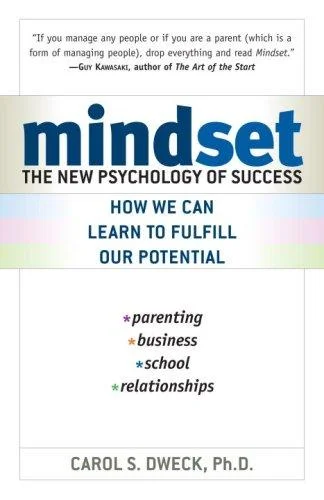
Mindset
Carol S. Dweck
Same genre — complementary perspectives on Psychology
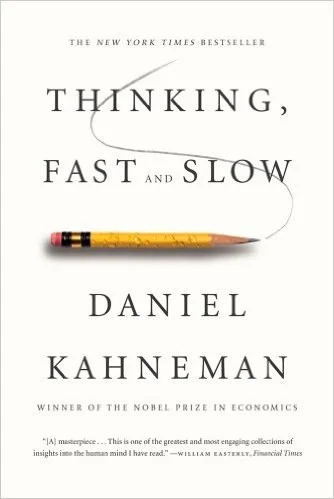
Thinking, Fast and Slow
Daniel Kahneman
Essential reading in Psychology
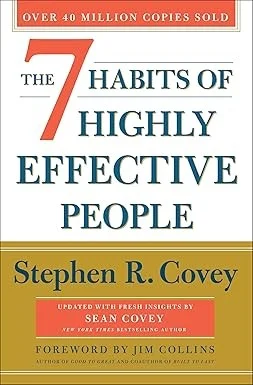
The 7 Habits of Highly Effective People
Stephen R. Covey
Complementary insights from Leadership
Think and Grow Rich
Napoleon Hill
Related perspective from Personal Development