
Mr. Miyagi
Quotes & Wisdom
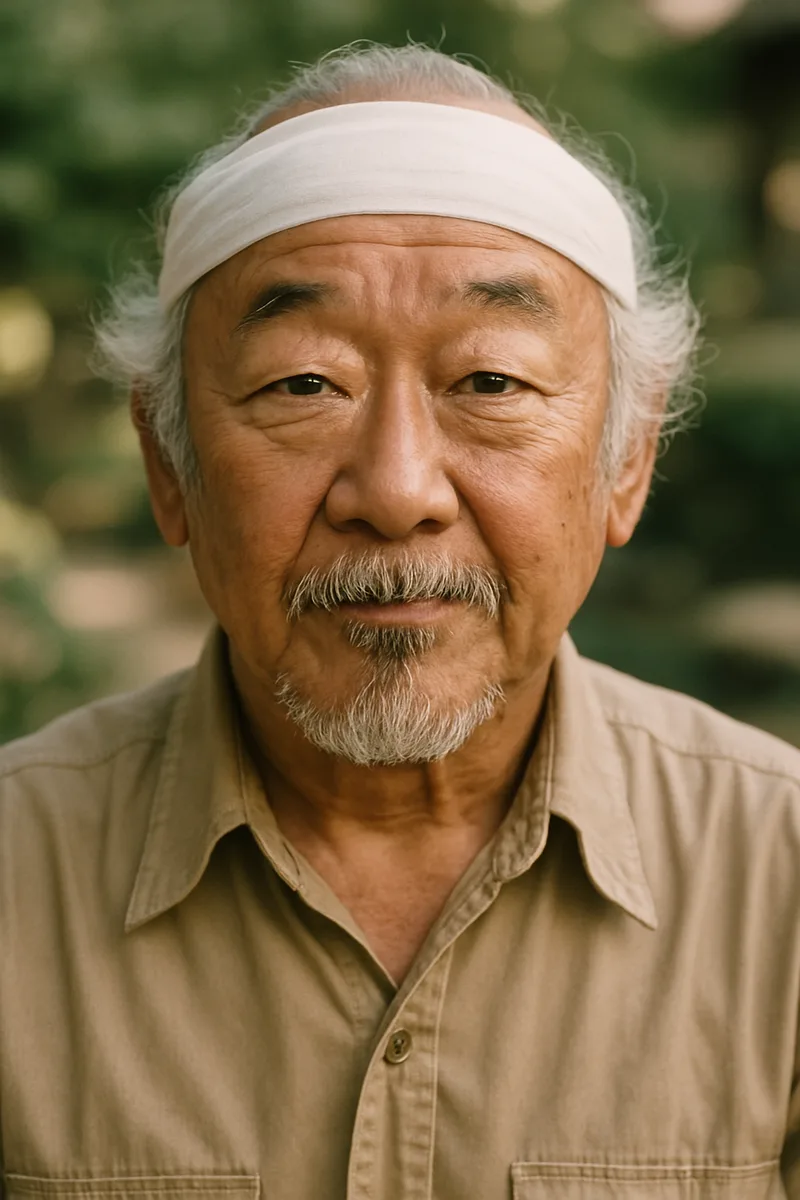
Mr. Miyagi: The Sensei Who Taught More Than Karate
Mr. Miyagi is the fictional Okinawan martial arts master from The Karate Kid franchise, portrayed by Pat Morita in a performance that earned an Academy Award nomination and created one of cinema's most beloved mentor figures. A humble maintenance man who reveals himself to be a master of karate, Miyagi teaches his young student Daniel LaRusso that martial arts are not about fighting but about balance - in stance, in spirit, and in life. His gentle wisdom, dry humor, and unshakable calm have made him a cultural touchstone for anyone who has ever needed a teacher, a father figure, or simply the reminder that patience and discipline matter more than brute force.
Context & Background
Mr. Miyagi inhabits the working-class neighborhoods of Reseda, California, a modest man who fixes faucets and tends bonsai trees while carrying within him a lifetime of loss and hard-won wisdom. As revealed across the Karate Kid films (1984-1994) and the Netflix series Cobra Kai, Miyagi was born in Okinawa, where he learned karate from his father through a family tradition passed down for generations. He emigrated to the United States as a young man, and during World War II he enlisted in the U.S. Army to prove his loyalty to his adopted country while his wife and unborn child were held in an American internment camp for Japanese Americans. Both died in the camp - a tragedy that Miyagi carries silently for the rest of his life.
This backstory transforms Miyagi from a colorful movie character into something deeper. He is a man who has experienced the worst that both war and prejudice can inflict, yet he responds with gentleness rather than bitterness. His Medal of Honor, casually discovered by Daniel among his belongings, reveals that his military service was heroic. But Miyagi never mentions it. The character embodies the idea that true strength is quiet, and that the people who have suffered most are often the ones who teach compassion best.
Miyagi's teaching method is one of the most famous in cinematic history. Rather than drilling Daniel in fighting techniques, he assigns him a series of seemingly pointless chores - waxing cars, sanding floors, painting fences, painting houses. Daniel grows frustrated and resentful, believing Miyagi is using him as free labor. The revelation - that each chore has been training specific defensive movements into Daniel's muscle memory - is the film's most celebrated sequence and a profound metaphor for how real learning works.
The lesson extends beyond karate. Miyagi teaches Daniel that the most important skills cannot be rushed, that the path to mastery runs through boredom and repetition, and that a teacher's job is not to explain everything but to create the conditions for understanding to emerge. His approach is the antithesis of the Cobra Kai dojo's "strike first, strike hard, no mercy" philosophy - which produces fighters but not whole human beings.
Mr. Miyagi's cultural impact far outlasts the films that created him. Pat Morita brought a warmth, humor, and dignity to the role that elevated what could have been a martial-arts stereotype into a genuinely complex character. Miyagi's advice - "Balance is key," "Best block, no be there," "Whole life have a balance, everything be better" - has been quoted by therapists, coaches, teachers, and parents for four decades. The character remains a reminder that wisdom does not announce itself with credentials or volume but reveals itself through patience, kindness, and the quiet willingness to show up for someone who needs you.