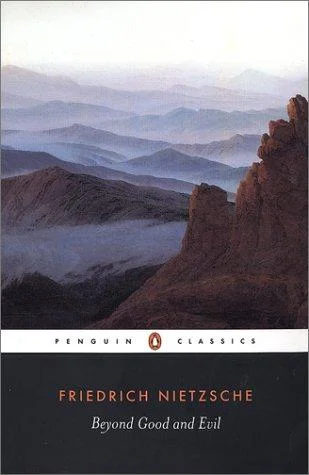
Thus Spoke Zarathustra
Friedrich Nietzsche · 1883
Philosophy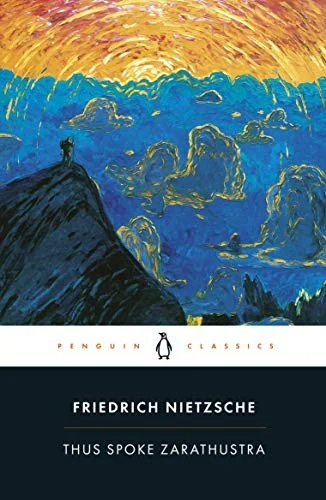
A Philosophical Novel Unlike Any Other
Nietzsche's most ambitious and personal work is part novel, part prose poem, part philosophical treatise. Through the wandering prophet Zarathustra, Nietzsche introduces his most radical ideas: the death of God, the Ubermensch (Overman), the will to power, and the eternal recurrence. It is philosophy as literature at its most daring.
Context & Background
Written in a burst of inspired creativity between 1883 and 1885, Thus Spoke Zarathustra was Nietzsche's attempt to create a new kind of scripture for a post-religious age. Where Beyond Good and Evil criticized the old philosophy, Zarathustra tried to create something new — a vision of human potential beyond conventional morality.
The Ubermensch (Overman) is not a racial concept but a vision of human potential — the person who creates their own values rather than inheriting them. The death of God is not a celebration but a crisis: without divine authority, we must create our own meaning. Eternal recurrence — the idea that you will live this exact life again and again forever — is the ultimate test: can you affirm your life so completely that you would choose to relive it? The will to power is the fundamental drive toward self-overcoming and creative expression.
The book was initially a commercial failure but became one of the most influential philosophical works of the modern era. It influenced Heidegger, Camus, Foucault, and countless artists, musicians, and writers. Richard Strauss composed his famous tone poem based on it. Its ideas about self-creation and meaning-making are central to existentialism and continue to resonate.
Quotes from Thus Spoke Zarathustra
Related Books
Meditations
Marcus Aurelius
Same genre — complementary perspectives on Philosophy
Republic
Plato
Essential reading in Philosophy