Meditations
Marcus Aurelius · 180
Philosophy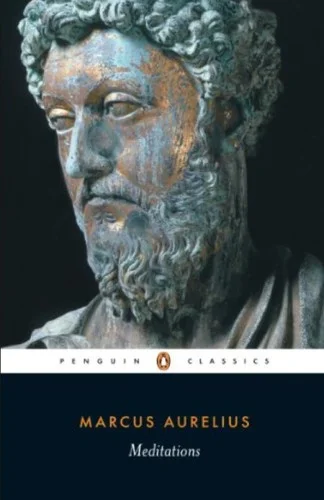
The Private Journal of a Roman Emperor
Written in Greek during military campaigns, Marcus Aurelius' Meditations was never intended for publication. It is a series of personal reflections on Stoic philosophy — notes to himself on how to live with virtue, equanimity, and purpose. Nearly two thousand years later, it remains the most accessible and powerful introduction to Stoic thought.
Context & Background
The Meditations is the rare philosophical text written not by a professional philosopher but by the most powerful man in the world. Marcus Aurelius was Roman Emperor from 161 to 180 CE, yet his private journal reveals a man struggling with the same challenges we all face: anger, distraction, fear of death, and the temptation to complain about circumstances beyond our control.
Marcus returns obsessively to a handful of Stoic principles: the dichotomy of control (focus only on what you can influence), the impermanence of all things (memento mori), the duty to act justly and rationally, and the interconnectedness of all human beings. He reminds himself that obstacles are not impediments but opportunities — the impediment to action advances action, what stands in the way becomes the way.
Meditations has influenced leaders from Frederick the Great to Bill Clinton. It became a cornerstone of the modern Stoicism revival and is consistently ranked among the most important philosophical works ever written. Its practical, no-nonsense approach to living well has given it a readership far beyond academic philosophy.