Beyond Good and Evil
Friedrich Nietzsche · 1886
Philosophy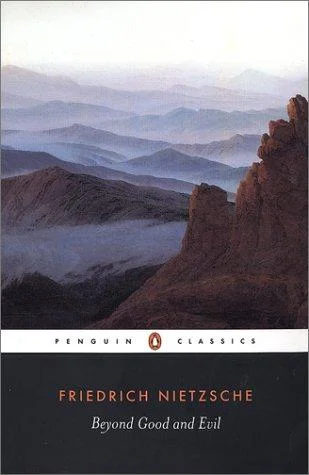
A Prelude to a Philosophy of the Future
Nietzsche's Beyond Good and Evil is a sustained attack on the philosophical tradition and its unquestioned assumptions. Written in aphoristic style, it challenges the dogmatism of previous philosophers, critiques conventional morality, and calls for a new breed of free spirits who can think beyond inherited moral categories.
Context & Background
Beyond Good and Evil represents Nietzsche at the peak of his powers. Published in 1886, it serves as both a critique of everything that came before and a manifesto for what philosophy could become. Nietzsche dismantles the pretension that philosophers discover objective truths, arguing instead that every philosophy is a personal confession of its author.
The will to power — the fundamental drive underlying all human behavior — replaces utilitarian pleasure or Kantian duty as the basis for understanding morality. Master morality (which values strength, nobility, and creativity) is contrasted with slave morality (which values humility, sympathy, and resentment). Nietzsche calls for philosophers to move beyond good and evil — beyond the simplistic moral categories that constrain human potential.
The book profoundly influenced existentialism, postmodernism, and twentieth-century philosophy broadly. Thinkers from Heidegger to Foucault, Camus to Derrida, grappled with Nietzsche's challenges. His influence extends into literature, psychology, and cultural criticism, making him one of the most cited philosophers in history.
Quotes from Beyond Good and Evil
Related Books
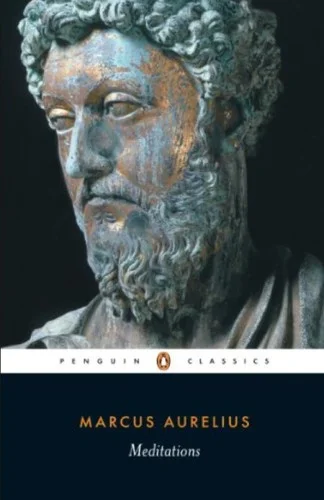
Meditations
Marcus Aurelius
Same genre — complementary perspectives on Philosophy

Republic
Plato
Essential reading in Philosophy