Outliers
Malcolm Gladwell · 2008
Psychology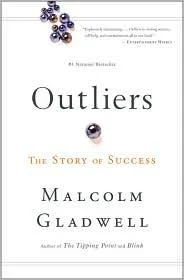
The Story of Success
Malcolm Gladwell challenges the myth of the self-made success. Through stories ranging from Bill Gates to Canadian hockey players, he shows that extraordinary achievement is less about individual talent than about hidden advantages: timing, culture, family, and the famous 10,000-hour rule. Success, it turns out, is not as individual as we think.
Context & Background
Gladwell's third book challenged America's cherished narrative of meritocracy. By examining the biographies of the world's most successful people — tech billionaires, elite athletes, brilliant lawyers — he revealed that every success story, when examined closely, turns out to be a story of advantages, opportunities, and cultural legacies.
The 10,000-Hour Rule — based on Anders Ericsson's research — suggested that mastery requires roughly 10,000 hours of deliberate practice. The Matthew Effect ("to those who have, more will be given") shows how small initial advantages compound over time. Gladwell's analysis of cultural legacy — how deeply ingrained cultural patterns affect behavior centuries later — was among the book's most provocative contributions.
The book spent years on bestseller lists and the "10,000-hour rule" entered common vocabulary (though Ericsson himself later argued Gladwell oversimplified his research). More importantly, Outliers shifted the conversation about success from individual grit to systemic factors, influencing debates about education, opportunity, and social mobility.
Quotes from Outliers
Related Books
Mindset
Carol S. Dweck
Same genre — complementary perspectives on Psychology
Thinking, Fast and Slow
Daniel Kahneman
Essential reading in Psychology
The 7 Habits of Highly Effective People
Stephen R. Covey
Complementary insights from Leadership
Think and Grow Rich
Napoleon Hill
Related perspective from Personal Development