
In Search of Excellence
Tom Peters · 1982
Management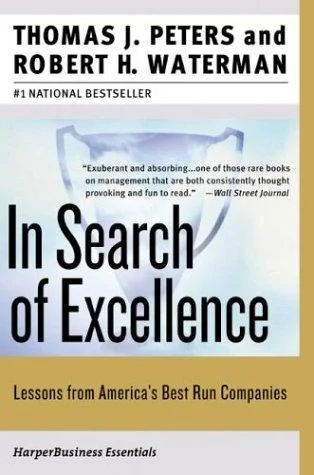
Lessons from America's Best-Run Companies
Tom Peters and Robert Waterman studied 43 of America's best-run companies to discover what made them excellent. Their eight attributes of excellence — a bias for action, closeness to the customer, autonomy and entrepreneurship — launched the modern business book genre and redefined how managers think about organizational culture.
Context & Background
Written with Robert Waterman, In Search of Excellence was the first business book to become a massive mainstream bestseller, selling over 3 million copies in its first four years. It shifted management thinking from strategy and structure to culture and people, arguing that excellent companies share recognizable cultural traits.
The eight attributes of excellence: A bias for action, close to the customer, autonomy and entrepreneurship, productivity through people, hands-on and value-driven, stick to the knitting, simple form and lean staff, and simultaneous loose-tight properties. Peters and Waterman argued that these soft cultural factors mattered more than hard strategic analysis.
While some featured companies later faltered (leading to criticism), the book's core insight — that culture eats strategy for breakfast — has been validated repeatedly. It launched the business book industry as we know it and established Tom Peters as management's most energetic evangelist.
Quotes from In Search of Excellence
Related Books
The Toyota Way
Jeffrey K. Liker
Same genre — complementary perspectives on Management
The Goal
Eliyahu M. Goldratt
Essential reading in Management
Good to Great
Jim Collins
Complementary insights from Strategy
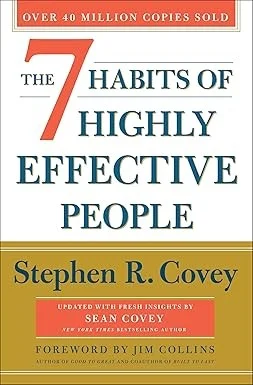
The 7 Habits of Highly Effective People
Stephen R. Covey
Related perspective from Leadership