Hooked
Nir Eyal · 2014
Marketing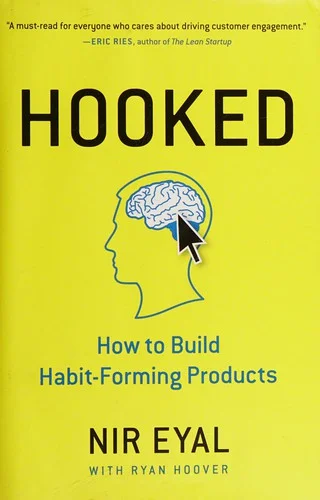
How to Build Habit-Forming Products
Nir Eyal reveals the Hook Model — a four-step process (trigger, action, variable reward, investment) embedded in the products we can't put down. By understanding why some products capture our attention while others flop, entrepreneurs and designers can build products that users love and return to habitually.
Context & Background
Hooked codified what companies like Facebook, Twitter, and Pinterest had learned intuitively: the most successful products create habits. Eyal's framework explains the psychology behind habit-forming technology and gives product designers a practical blueprint for building engagement.
The Hook Model: Trigger (external or internal cue that prompts action), Action (the simplest behavior in anticipation of reward), Variable Reward (the hook that creates craving through unpredictability), and Investment (user effort that improves the product for next time). Eyal also introduced the Manipulation Matrix — a framework for ethically evaluating whether building habit-forming products is justified.
The book became the product design bible for Silicon Valley startups. Its framework is taught in product management courses and used by companies worldwide. The ethical questions it raised about habit-forming design anticipated the broader tech backlash around addictive technology.