
Getting to Yes
Roger Fisher · 1981
Negotiation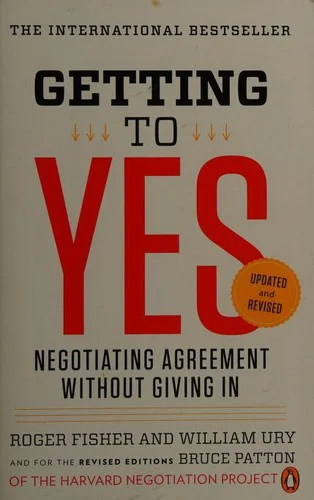
Negotiating Agreement Without Giving In
Roger Fisher and William Ury of the Harvard Negotiation Project developed a method for reaching mutually acceptable agreements in every kind of conflict. Their approach — principled negotiation — separates people from problems, focuses on interests not positions, and insists on using objective criteria. It's the most widely used negotiation framework in the world.
Context & Background
Written with William Ury (and later editions with Bruce Patton), Getting to Yes rejected the idea that negotiation must be adversarial. Fisher and Ury showed that hard bargaining and soft bargaining both have serious flaws, and offered a third way: negotiate on the merits.
Separate the people from the problem — deal with relationship issues directly, don't let emotions contaminate substantive discussions. Focus on interests, not positions — positions are what people say they want; interests are why they want it. Invent options for mutual gain — expand the pie before dividing it. Insist on objective criteria — use fair standards and procedures. The concept of BATNA (Best Alternative to a Negotiated Agreement) gave negotiators a framework for knowing when to walk away.
The book has sold over 15 million copies and has been translated into 36 languages. It revolutionized negotiation training worldwide and is the foundational text at Harvard, Stanford, and every major business school. Its concepts have been applied in international diplomacy, corporate deals, and everyday disputes.
Quotes from Getting to Yes
Related Books
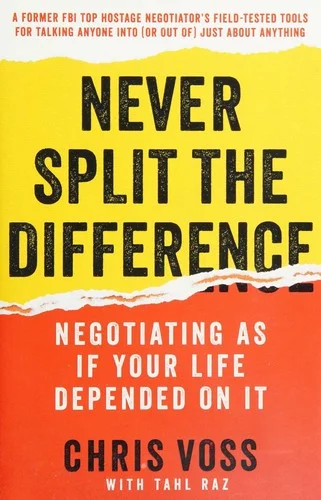
Never Split the Difference
Chris Voss
Same genre — complementary perspectives on Negotiation
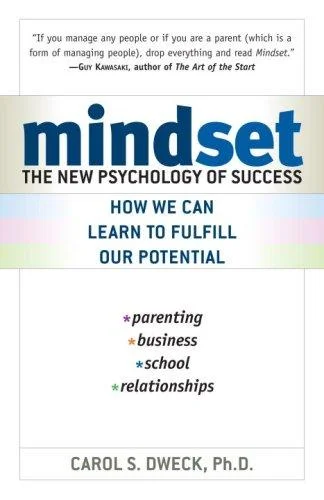
Mindset
Carol S. Dweck
Bridges Psychology with this book's themes
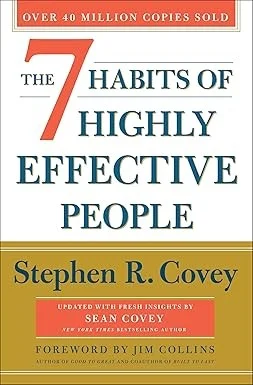
The 7 Habits of Highly Effective People
Stephen R. Covey
Complementary insights from Leadership
Crossing the Chasm
Geoffrey A. Moore
Related perspective from Marketing