Think Again
Adam Grant · 2021
Psychology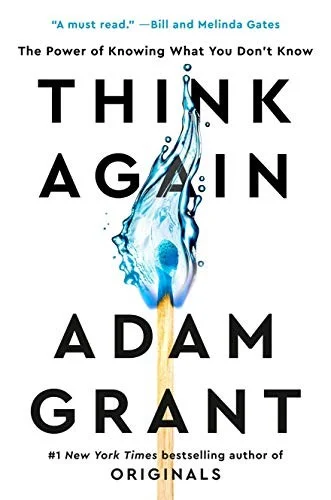
The Power of Knowing What You Don't Know
Adam Grant argues that in a rapidly changing world, the ability to rethink and unlearn is more important than the ability to think and learn. The most successful people don't just accumulate knowledge — they actively question their own beliefs, embrace being wrong, and seek out information that challenges their assumptions.
Context & Background
Grant addresses one of the biggest obstacles to good decision-making: our attachment to our own beliefs. He shows how intelligence can become a liability when it makes us better at rationalizing rather than reasoning, and how the most effective thinkers approach their own views with scientific humility.
Grant identifies four modes of thinking: Preacher (when beliefs are threatened), Prosecutor (when we find flaws in others' reasoning), Politician (when seeking approval), and Scientist (when searching for truth). The key is to spend more time in scientist mode. He introduces confident humility — being secure enough in your abilities to acknowledge what you don't know — as the ideal mindset.
The book became a #1 New York Times bestseller and influenced how organizations think about debate, dissent, and intellectual humility. Its framework for productive disagreement has been adopted in education, corporate training, and public discourse.
Quotes from Think Again
Related Books

Mindset
Carol S. Dweck
Same genre — complementary perspectives on Psychology
Thinking, Fast and Slow
Daniel Kahneman
Essential reading in Psychology
The 7 Habits of Highly Effective People
Stephen R. Covey
Complementary insights from Leadership
Think and Grow Rich
Napoleon Hill
Related perspective from Personal Development