
The Wealth of Nations
Adam Smith · 1776
Economics
The Foundations of Modern Economics
Adam Smith's masterwork laid the intellectual foundations of capitalism and modern economics. His insight that individual self-interest, guided by the "invisible hand" of the market, produces collective prosperity remains the most influential economic idea in history — the starting point for every debate about markets, trade, and the role of government.
Context & Background
The Wealth of Nations was published in 1776, the same year as the American Declaration of Independence, and was equally revolutionary. Smith showed that national wealth comes not from hoarding gold (as mercantilists believed) but from productive labor, specialization, and free exchange. His work created the discipline of economics.
The invisible hand — the idea that individuals pursuing their own self-interest inadvertently promote the public good — is the most famous metaphor in economics. Smith's analysis of the division of labor (his famous pin factory example) showed how specialization multiplies productivity. His arguments for free trade, against monopoly, and for limited government intervention shaped economic policy for centuries.
The book is the foundational text of modern economics and classical liberalism. Every subsequent economic thinker has either built on Smith or argued against him. His influence extends far beyond economics into political philosophy, international relations, and business strategy.
Quotes from The Wealth of Nations
Related Books
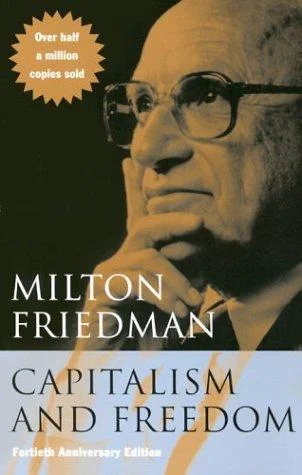
Capitalism and Freedom
Milton Friedman
Same genre — complementary perspectives on Economics

The Black Swan
Nassim Nicholas Taleb
Essential reading in Economics

The Intelligent Investor
Benjamin Graham
Complementary insights from Finance & Investing

Good to Great
Jim Collins
Related perspective from Strategy