
Capitalism and Freedom
Milton Friedman · 1962
Economics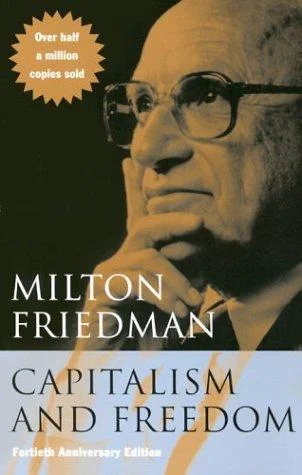
Economic Freedom as a Prerequisite for Political Freedom
Milton Friedman's landmark work argues that economic freedom is both a necessary condition for political freedom and a means of achieving it. His case for free markets, limited government, and individual choice — from school vouchers to floating exchange rates — defined the economic philosophy that shaped the late 20th century.
Context & Background
Written during the height of Keynesian consensus, Capitalism and Freedom was a radical challenge to the prevailing wisdom that government management of the economy was necessary and beneficial. Friedman argued that competitive capitalism was not only more efficient but more ethical than government control, because it protects individual freedom.
Friedman made the case for floating exchange rates (adopted globally in 1973), a negative income tax (the intellectual ancestor of the Earned Income Tax Credit), school vouchers (now implemented in various forms worldwide), and an all-volunteer military (adopted by the US in 1973). His central argument — that government attempts to do good often do harm — provided the intellectual foundation for the deregulation movement.
The book influenced Ronald Reagan, Margaret Thatcher, and a generation of policymakers. Friedman won the Nobel Prize in Economics in 1976. While his laissez-faire positions remain controversial, his core arguments about the relationship between economic and political freedom continue to shape policy debates worldwide.
Quotes from Capitalism and Freedom
Related Books
The Wealth of Nations
Adam Smith
Same genre — complementary perspectives on Economics
The Black Swan
Nassim Nicholas Taleb
Essential reading in Economics
The Intelligent Investor
Benjamin Graham
Complementary insights from Finance & Investing
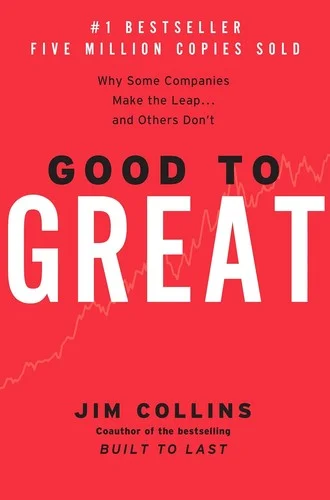
Good to Great
Jim Collins
Related perspective from Strategy