
The Lean Startup
Eric Ries · 2011
Innovation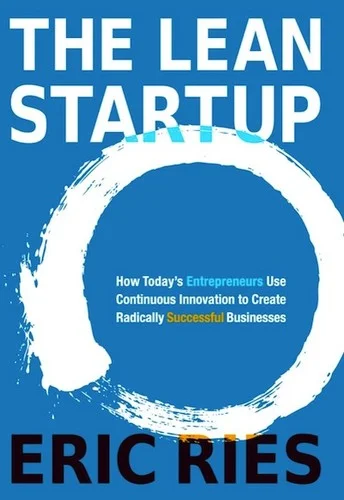
Building a Business Through Continuous Experimentation
Eric Ries redefined how startups should be built. Instead of spending months perfecting a product in secret, he argued for rapid experimentation — build a minimum viable product, measure how customers respond, and learn whether to persevere or pivot. This Build-Measure-Learn loop became the operating system for a generation of entrepreneurs.
Context & Background
Before The Lean Startup, the dominant approach was to write a business plan, pitch investors, build the product, and hope customers showed up. Ries drew on lean manufacturing principles and his own painful startup failures to propose a fundamentally different method — one that treats a startup as an experiment, not the execution of a plan.
The Minimum Viable Product (MVP) — the smallest thing you can build to test a hypothesis — became the most influential product development concept of the 2010s. Validated learning replaced vanity metrics. The pivot — a structured course correction based on what you've learned — became a badge of honor rather than an admission of failure.
The book spawned the Lean Startup movement, which spread far beyond Silicon Valley into corporate innovation labs, government agencies, and nonprofits worldwide. Its language (MVP, pivot, validated learning) became universal startup vocabulary.
Quotes from The Lean Startup
Related Books
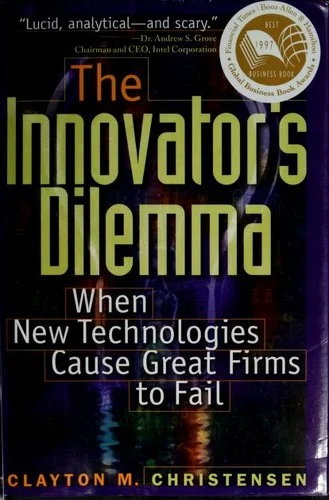
The Innovator's Dilemma
Clayton M. Christensen
Same genre — complementary perspectives on Innovation
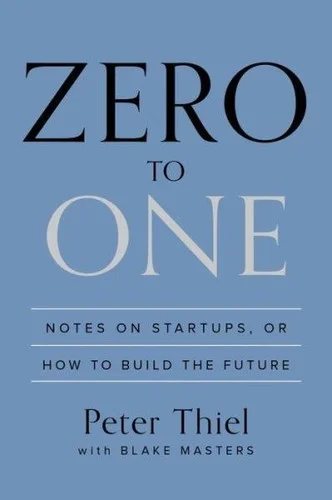
Zero to One
Peter Thiel
Essential reading in Innovation
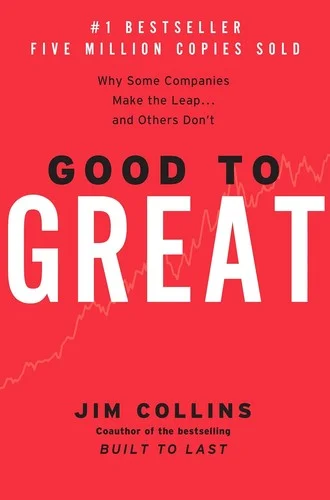
Good to Great
Jim Collins
Complementary insights from Strategy
The E-Myth Revisited
Michael E. Gerber
Related perspective from Entrepreneurship