
Zero to One
Peter Thiel · 2014
Innovation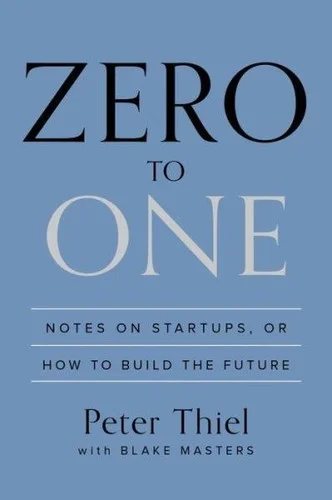
Notes on Building the Future
Peter Thiel argues that the next great companies won't come from competing in existing markets but from creating entirely new ones. Going from zero to one — building something that has never existed before — is fundamentally different from copying what works. It's a contrarian manifesto for founders who want to build monopolies, not join competitions.
Context & Background
Based on Thiel's famous Stanford lectures (transcribed by student Blake Masters), Zero to One challenged the startup orthodoxy of iteration and competition. Thiel, co-founder of PayPal and first outside investor in Facebook, argued that truly valuable companies create new categories rather than incrementally improving existing ones.
Thiel's core question — "What important truth do few people agree with you on?" — became a hiring filter across Silicon Valley. He argued that monopoly (not competition) should be the goal of any startup, that definite optimism (having a concrete plan for the future) beats the indefinite variety, and that the most successful companies solve problems so important they look like secrets hiding in plain sight.
The book crystallized the intellectual framework of Silicon Valley's contrarian wing. Its influence extends beyond startups — Thiel's arguments about technology stagnation, the value of definite thinking, and the power of secrets have shaped broader cultural conversations about innovation and progress.
Quotes from Zero to One
Related Books
The Innovator's Dilemma
Clayton M. Christensen
Same genre — complementary perspectives on Innovation
The Lean Startup
Eric Ries
Essential reading in Innovation
Good to Great
Jim Collins
Complementary insights from Strategy
The E-Myth Revisited
Michael E. Gerber
Related perspective from Entrepreneurship