The Gene
Siddhartha Mukherjee · 2016
Science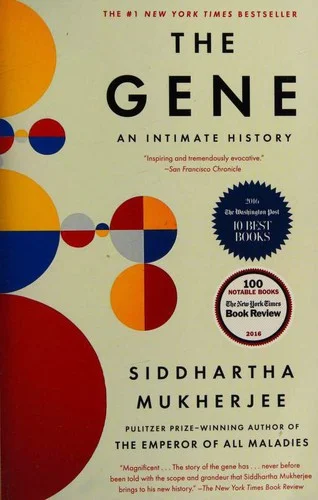
An Intimate History
Siddhartha Mukherjee, Pulitzer Prize-winning author of The Emperor of All Maladies, traces the story of the gene from Gregor Mendel's pea garden to the frontiers of CRISPR gene editing. Weaving together science, history, and deeply personal family stories of mental illness, Mukherjee explores how genes make us who we are — and the profound ethical questions raised by our growing power to read and rewrite the human genome.
Context & Background
Mukherjee brought to genetics the same narrative power he brought to cancer in The Emperor of All Maladies. His own family's history of schizophrenia and bipolar disorder gives the book an emotional urgency that pure science writing rarely achieves. He makes clear that the gene is not just an abstract concept but a force that shapes individual lives and entire families.
The book follows the gene from Mendel's laws of inheritance through the discovery of DNA, the Human Genome Project, epigenetics (how gene expression is modified without changing DNA), and the revolutionary CRISPR-Cas9 gene-editing technology. Mukherjee explores the fraught history of eugenics and the ethical dilemmas posed by our ability to modify the human germline.
The book was a New York Times bestseller and a finalist for numerous awards. It became the definitive popular account of genetics for the CRISPR era, helping readers understand both the promise and the peril of our new power over the genome. Mukherjee's synthesis of science and personal narrative set a new standard for medical writing.
Quotes from The Gene
Related Books

A Brief History of Time
Stephen Hawking
Same genre — complementary perspectives on Science

On the Origin of Species
Charles Darwin
Essential reading in Science