
The Art of War
Sun Tzu · 500 BC
Strategy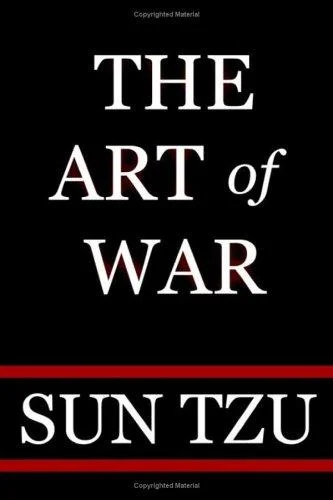
The Ancient Treatise on Strategy and Conflict
Written over 2,500 years ago, Sun Tzu's treatise on military strategy has become the most influential book on competitive strategy in the business world. Its principles — know your enemy, choose your battles, win without fighting — apply as directly to corporate competition as they did to ancient Chinese warfare.
Context & Background
The Art of War is the oldest known treatise on strategy and remains the most widely read. Its influence extends from military academies to corporate boardrooms to Silicon Valley startups. The text's brevity (only about 6,000 words in Chinese) belies its depth — each passage rewards repeated reading.
"The supreme art of war is to subdue the enemy without fighting" — the best strategy avoids direct confrontation. "Know the enemy and know yourself; in a hundred battles you will never be in peril" — intelligence and self-awareness are prerequisites for strategy. "All warfare is based on deception" — managing information and perception is central to competitive advantage. Sun Tzu's emphasis on flexibility, speed, and exploiting weakness anticipates modern concepts of agile strategy.
The book has been translated into every major language and is required reading at military academies worldwide, including West Point. In business, it's been adopted by leaders from Masayoshi Son to countless Silicon Valley executives. Its principles continue to inform competitive strategy, game theory, and organizational leadership.
Quotes from The Art of War
Related Books
Good to Great
Jim Collins
Same genre — complementary perspectives on Strategy
Competitive Strategy
Michael E. Porter
Essential reading in Strategy
The Toyota Way
Jeffrey K. Liker
Complementary insights from Management
The 7 Habits of Highly Effective People
Stephen R. Covey
Related perspective from Leadership