Competitive Strategy
Michael E. Porter · 1980
Strategy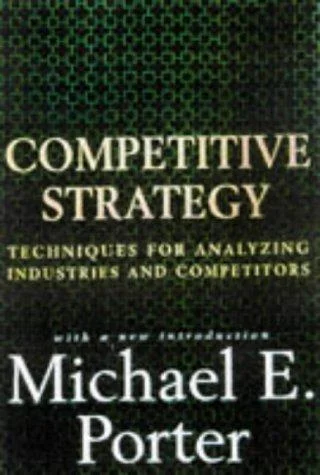
The Architecture of Competitive Advantage
Michael Porter's Competitive Strategy is the foundational text of modern strategic thinking. His framework of five competitive forces — the threat of new entrants, bargaining power of suppliers and buyers, threat of substitutes, and rivalry among existing competitors — gave managers the first rigorous method for analyzing industry structure and competitive position.
Context & Background
Before Porter, strategy was largely intuitive. Competitive Strategy turned it into an analytical discipline. The "Five Forces" framework became the most widely taught tool in business school strategy courses and remains the starting point for any serious industry analysis four decades later.
Porter identified three generic strategies: cost leadership, differentiation, and focus. He warned that companies "stuck in the middle" — trying to be all things to all customers — would earn below-average returns. His analysis of barriers to entry, switching costs, and competitive dynamics provided a vocabulary that strategists still use daily.
The book has been cited over 100,000 times in academic literature. Porter became the most influential business school professor of his generation. While later thinkers have built on and challenged his frameworks, the core insight — that strategy requires understanding the structural forces shaping competition — remains as relevant as ever.