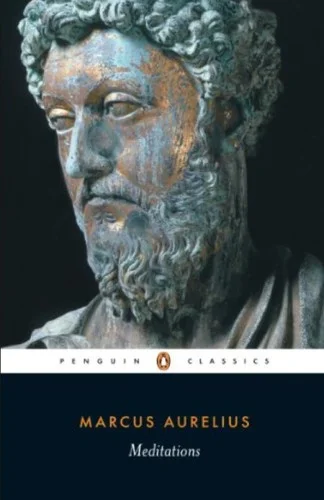
Nicomachean Ethics
Aristotle · 340 BC
Philosophy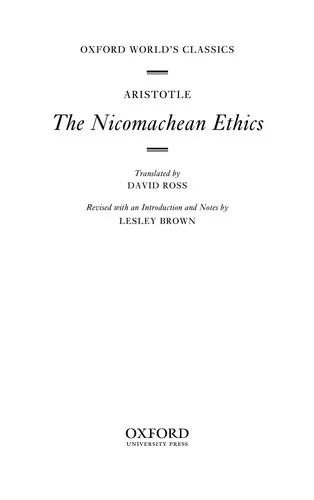
The Classical Blueprint for Human Flourishing
Aristotle's Nicomachean Ethics is the foundational text of virtue ethics. Named for his son Nicomachus, it asks the question that matters most: what does it mean to live a good life? Aristotle's answer — a life of virtuous activity in accordance with reason — has guided moral thinking for over two thousand years.
Context & Background
Where Plato sought truth in abstract Forms, Aristotle grounded ethics in observable human behavior. The Nicomachean Ethics is practical philosophy at its best: it doesn't just tell you what the good life is, it shows you how to build one through the cultivation of virtuous habits.
Eudaimonia (flourishing or happiness) is the highest good, achieved through a lifetime of virtuous activity. The Doctrine of the Mean holds that every virtue is a midpoint between two vices — courage lies between cowardice and recklessness, generosity between wastefulness and stinginess. Phronesis (practical wisdom) is the master virtue that guides all others. Habituation is the mechanism: we become virtuous by practicing virtue, just as we become builders by building.
The Nicomachean Ethics is the most influential work of moral philosophy ever written. It was the foundation of medieval Christian ethics through Thomas Aquinas, and it experienced a dramatic revival in the twentieth century through thinkers like Alasdair MacIntyre and Martha Nussbaum. Its emphasis on character, habit, and practical wisdom resonates powerfully with modern psychology.