
Good Strategy Bad Strategy
Richard P. Rumelt · 2011
Strategy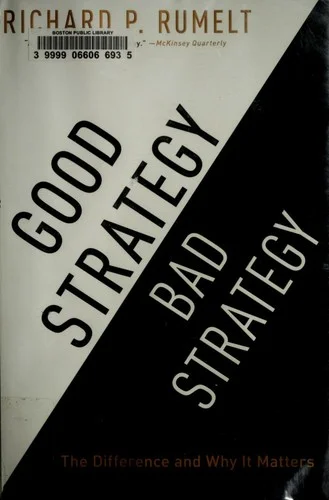
The Difference and Why It Matters
Richard Rumelt argues that most of what passes for strategy in the business world is actually bad strategy — a mix of fluff, failure to face challenges, mistaking goals for strategy, and bad strategic objectives. Good strategy, by contrast, is surprisingly rare and has a basic underlying structure he calls the kernel: diagnosis, guiding policy, and coherent action.
Context & Background
Rumelt, one of the world's most respected strategy professors, wrote this book out of frustration with the degradation of the word "strategy." He saw organizations confusing ambitions with strategy, creating vague vision statements instead of actionable plans, and failing to make the hard choices that real strategy requires.
The kernel of good strategy has three elements: a diagnosis that defines the challenge, a guiding policy for dealing with the challenge, and coherent actions designed to carry out the policy. Bad strategy is characterized by fluff (buzzwords masking absence of thought), failure to face the challenge, mistaking goals for strategy, and bad strategic objectives (impracticable or disconnected).
The book became the most recommended text on strategy among practicing executives. Its clear distinction between good and bad strategy gave leaders a practical test to apply to their own plans. McKinsey, BCG, and corporate strategy teams worldwide adopted its framework.
Quotes from Good Strategy Bad Strategy
Related Books
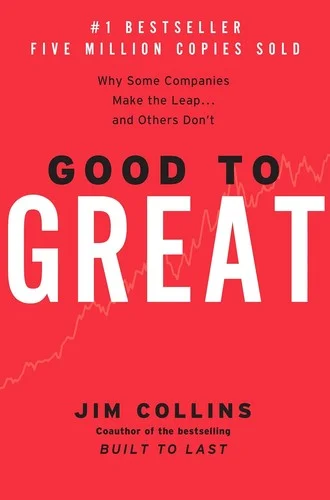
Good to Great
Jim Collins
Same genre — complementary perspectives on Strategy
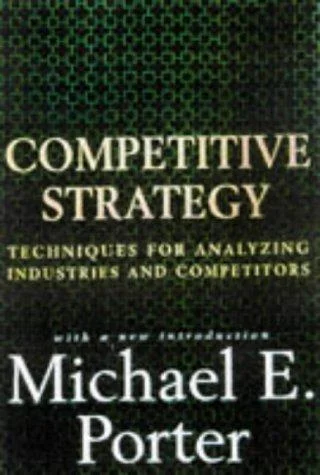
Competitive Strategy
Michael E. Porter
Essential reading in Strategy
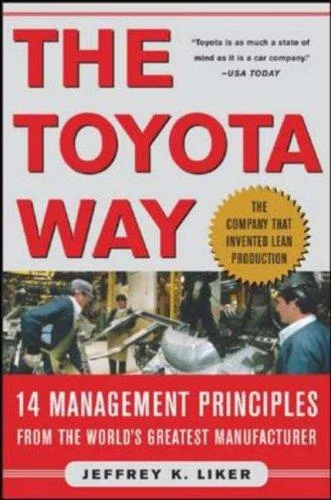
The Toyota Way
Jeffrey K. Liker
Complementary insights from Management
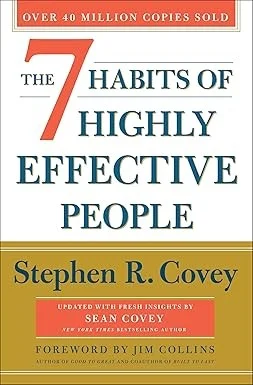
The 7 Habits of Highly Effective People
Stephen R. Covey
Related perspective from Leadership