The Prince
Niccolo Machiavelli · 1532
Philosophy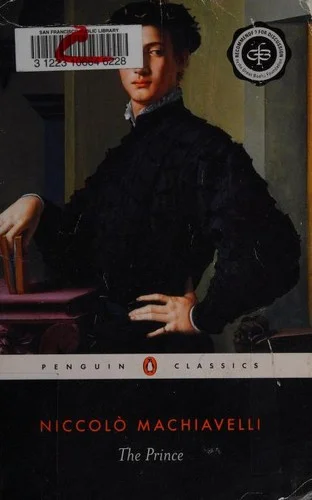
The Ruthlessly Honest Guide to Power
Machiavelli's The Prince is the most infamous treatise on political power ever written. Composed in 1513 but published posthumously in 1532, it advises rulers on how to acquire and maintain power by any means necessary. Its unflinching realism shocked a world accustomed to idealizing politics and gave us the word "Machiavellian."
Context & Background
Written after Machiavelli was exiled from Florentine politics, The Prince broke from the tradition of idealistic political philosophy. Where others described how rulers should behave, Machiavelli described how they do behave — and how they must behave to survive. This made it simultaneously the most hated and most read political treatise in history.
Virtu (skill, cunning, and decisive action) must be matched against Fortuna (fortune, luck, and circumstance). A prince must know when to be a lion (using force) and when to be a fox (using cunning). It is better to be feared than loved, if you cannot be both. The ends justify the means — a ruler must be willing to act against conventional morality when the security of the state demands it.
The Prince is the founding text of modern political science. Its influence extends from the Enlightenment to modern realpolitik, from Hobbes and Spinoza to Kissinger and beyond. Every leader who has grappled with the tension between moral ideals and political necessity has, consciously or not, been engaging with Machiavelli.