The Immortal Life of Henrietta Lacks
Rebecca Skloot · 2010
Science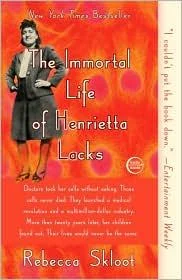
The Story Behind the HeLa Cells
Rebecca Skloot tells the extraordinary story of Henrietta Lacks, a poor Black tobacco farmer whose cancer cells — taken without her knowledge in 1951 — became one of the most important tools in medicine. Known as HeLa cells, they were vital for developing the polio vaccine, cloning, gene mapping, and more, yet Henrietta's family never knew her cells were alive and could not afford health insurance.
Context & Background
Skloot spent over a decade researching this book, building a relationship with the Lacks family while investigating the science, ethics, and history of HeLa cells. The result is a masterful weaving of three narratives: the science of cell biology, the story of the Lacks family, and the ethical questions raised when human tissue is used for research without consent.
Henrietta Lacks's cells were the first immortal human cell line — they could be kept alive and reproducing indefinitely in a lab, enabling countless medical breakthroughs. The book explores the history of informed consent in medical research, the racial inequities in American healthcare, and the question of who owns human biological materials. Skloot also examines how the commercialization of human tissue creates profits that never reach the people from whom the tissue came.
The book spent over six years on the New York Times bestseller list, sold over 2.5 million copies, and was adapted into an HBO film starring Oprah Winfrey. It prompted real policy changes: the NIH reached an agreement with the Lacks family giving them a voice in how HeLa cells are used, and it catalyzed a broader conversation about consent, race, and medical ethics.