The Analects
Confucius · 479 BC
Philosophy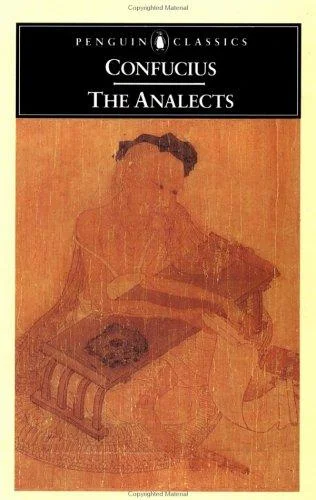
The Foundational Text of Chinese Philosophy
The Analects is a collection of sayings and ideas attributed to Confucius, compiled by his disciples after his death. It lays out a vision of ethical life based on personal cultivation, filial piety, ritual propriety, and benevolent governance. For over two thousand years, it has been the most influential book in East Asian civilization.
Context & Background
Confucius (551-479 BCE) lived during a time of political chaos in China, and his philosophy was a response to social disorder. He believed that moral self-cultivation — starting with the individual and radiating outward through family to society — was the path to political harmony. The Analects made this vision concrete through memorable dialogues and aphorisms.
Ren (benevolence or humaneness) is the supreme virtue — genuine concern for the well-being of others. Li (ritual propriety) encompasses the social norms, customs, and ceremonies that bind a community together. Junzi (the exemplary person or gentleman) is the moral ideal — someone who cultivates virtue, practices propriety, and leads by example. Xiao (filial piety) — respect and care for parents and elders — is the foundation of all ethical relationships.
The Analects shaped Chinese civilization as profoundly as the Bible shaped Western civilization. Confucian values of education, filial piety, meritocracy, and social harmony remain central to Chinese, Japanese, Korean, and Vietnamese culture. In the West, Confucius is increasingly recognized as one of history's most important moral philosophers.