
Sapiens
Yuval Noah Harari · 2011
Economics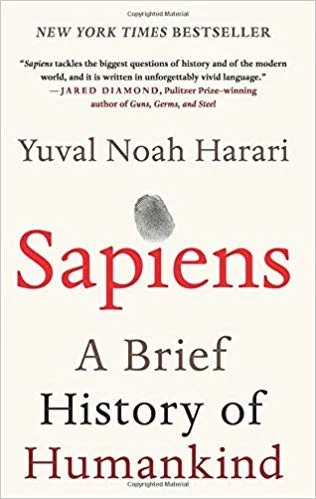
A Brief History of Humankind
Yuval Noah Harari tells the entire story of our species in 400 pages — from the emergence of Homo sapiens in East Africa to the twenty-first century. His key insight: what sets humans apart is our ability to believe in shared fictions — money, nations, corporations, religions — that enable mass cooperation at scales no other species can achieve.
Context & Background
Sapiens became a global phenomenon because it reframes everything we take for granted — money, law, religion, corporations — as collective fictions that exist only because enough people believe in them. This perspective is profoundly useful for anyone building organizations or trying to understand why the world works the way it does.
The Cognitive Revolution (70,000 years ago) gave humans the ability to create and believe in fictions, enabling cooperation among strangers. The Agricultural Revolution was "history's biggest fraud" — it made life harder for individuals while enabling population growth. Imagined orders (money, human rights, corporations) exist only in shared imagination but shape everything. Harari challenges the assumption that history has been a march of progress.
The book has sold over 25 million copies in 65 languages. Bill Gates, Mark Zuckerberg, and Barack Obama have recommended it. Its influence on business thinking comes from its fundamental insight that shared stories and beliefs — culture — are the most powerful force in human civilization.
Quotes from Sapiens
Related Books
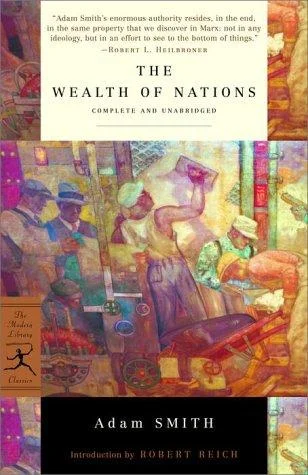
The Wealth of Nations
Adam Smith
Same genre — complementary perspectives on Economics
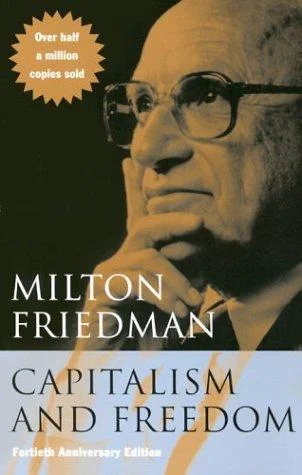
Capitalism and Freedom
Milton Friedman
Essential reading in Economics

The Intelligent Investor
Benjamin Graham
Complementary insights from Finance & Investing

Good to Great
Jim Collins
Related perspective from Strategy