
Rich Dad Poor Dad
Robert T. Kiyosaki · 1997
Finance & Investing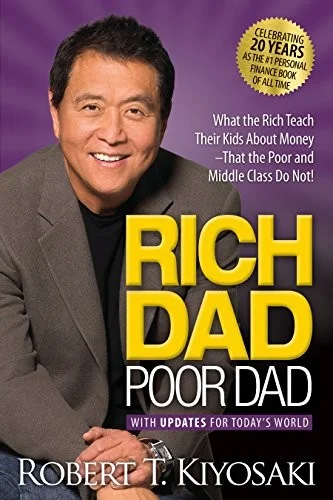
What the Rich Teach Their Kids About Money
Robert Kiyosaki contrasts the financial philosophies of his two "dads" — his biological father (educated but financially struggling) and his friend's father (a self-made millionaire). The core lesson: the rich don't work for money, they make money work for them through assets, financial literacy, and entrepreneurial thinking.
Context & Background
Rich Dad Poor Dad challenged the conventional wisdom that a good education and a stable job lead to financial security. Kiyosaki argued that the school system teaches people to be employees, not investors, and that financial literacy — understanding assets, liabilities, income, and expenses — is the most important subject schools don't teach.
Kiyosaki's central insight is the distinction between assets (things that put money in your pocket) and liabilities (things that take money out), and his controversial claim that a house is a liability, not an asset. His Cash Flow Quadrant — Employee, Self-Employed, Business Owner, Investor — maps four fundamentally different ways of earning income. The book argues that moving from the left side (E and S) to the right side (B and I) is the path to financial freedom.
With over 40 million copies sold in 51 languages, it's the bestselling personal finance book of all time. While financial experts have criticized some of its specific advice, its core message about financial literacy and the importance of building assets has inspired millions to rethink their relationship with money.
Quotes from Rich Dad Poor Dad
Related Books
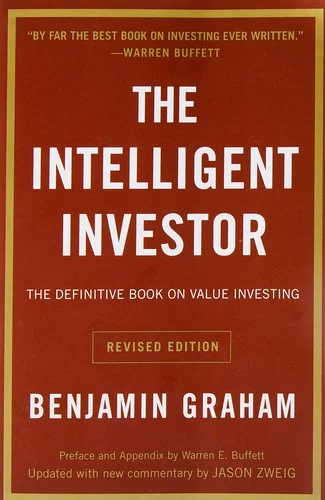
The Intelligent Investor
Benjamin Graham
Same genre — complementary perspectives on Finance & Investing
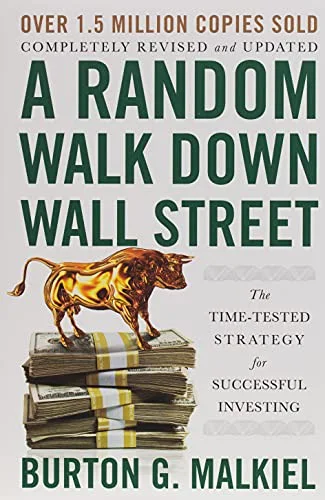
A Random Walk Down Wall Street
Burton G. Malkiel
Essential reading in Finance & Investing
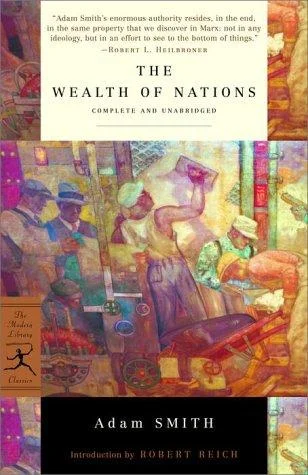
The Wealth of Nations
Adam Smith
Complementary insights from Economics
Good to Great
Jim Collins
Related perspective from Strategy