
A Random Walk Down Wall Street
Burton G. Malkiel · 1973
Finance & Investing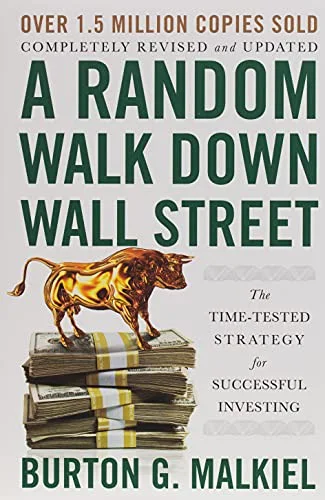
The Time-Tested Strategy for Successful Investing
Burton Malkiel's enduring classic makes a provocative argument: a blindfolded monkey throwing darts at a newspaper's financial pages could select a portfolio that would do just as well as one carefully selected by experts. His case for index investing — rooted in the efficient market hypothesis — changed how millions of people invest.
Context & Background
First published in 1973 and updated through twelve editions, A Random Walk democratized investing by showing that ordinary investors don't need expensive fund managers. Malkiel's central argument — that stock prices are essentially random and unpredictable in the short term — challenged the entire active fund management industry.
Malkiel walks through the history of market bubbles (from tulip mania to dot-com) to show that markets are prone to irrational exuberance but ultimately self-correcting. He explains the efficient market hypothesis — the idea that stock prices already reflect all available information — in accessible terms. His practical advice: buy and hold a diversified portfolio of low-cost index funds, and stop trying to beat the market.
The book directly influenced John Bogle's creation of the first index fund at Vanguard. Today, index funds hold over $11 trillion in assets. Malkiel's argument that most active fund managers underperform the market has been validated by decades of data, making this one of the rare books that both predicted and caused a revolution in its field.
Quotes from A Random Walk Down Wall Street
Related Books
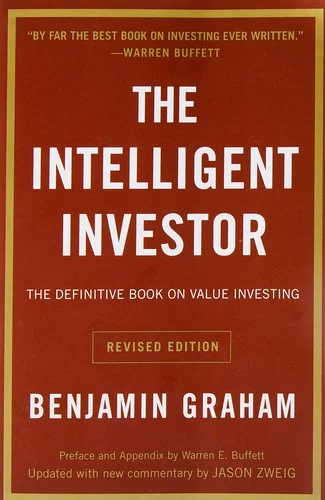
The Intelligent Investor
Benjamin Graham
Same genre — complementary perspectives on Finance & Investing

Rich Dad Poor Dad
Robert T. Kiyosaki
Essential reading in Finance & Investing
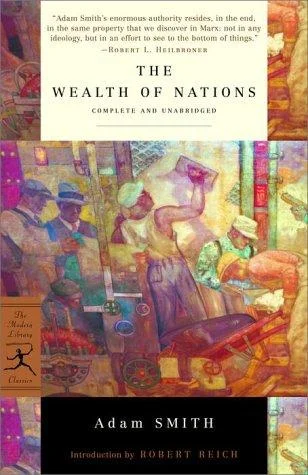
The Wealth of Nations
Adam Smith
Complementary insights from Economics
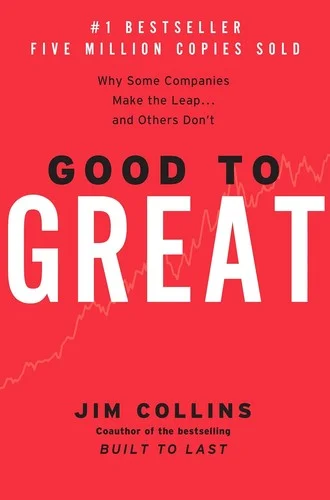
Good to Great
Jim Collins
Related perspective from Strategy