Only the Paranoid Survive
Andrew S. Grove · 1996
Strategy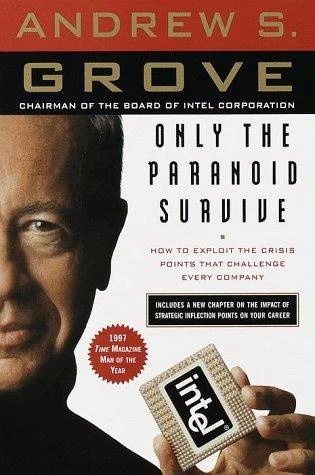
How to Exploit the Crisis Points That Challenge Every Company
Andy Grove, who navigated Intel through the most turbulent decades in technology history, introduces the concept of "strategic inflection points" — moments of massive change that can destroy a company or, if recognized and acted upon, catapult it to new heights. His survival guide for navigating these moments draws on Intel's near-death experiences.
Context & Background
Grove wrote from personal experience: Intel nearly died when Japanese competitors destroyed its memory chip business, and he made the agonizing decision to abandon memories and bet everything on microprocessors. That pivot — recognizing a strategic inflection point and acting decisively — saved the company and made it the most valuable technology company of its era.
A strategic inflection point is a time when the balance of forces shifts from the old structure to a new one. The key challenge is signal vs. noise — these shifts start as subtle changes that are easy to dismiss. Grove advocates constructive paranoia — the discipline of constantly asking "is the current change a signal or noise?" His framework for recognizing and navigating inflection points provides a structured approach to managing fundamental change.
Steve Jobs credited this book with influencing Apple's strategic thinking. It remains the definitive text on managing through disruption and is widely cited in discussions of digital transformation, platform shifts, and competitive dynamics in technology.
Quotes from Only the Paranoid Survive
Related Books
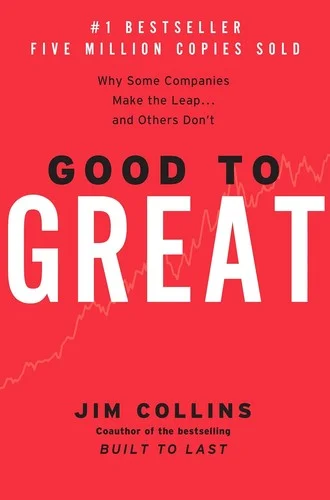
Good to Great
Jim Collins
Same genre — complementary perspectives on Strategy
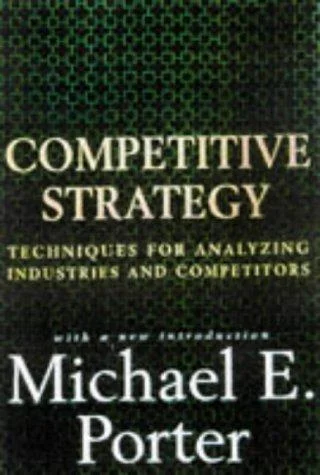
Competitive Strategy
Michael E. Porter
Essential reading in Strategy

The Toyota Way
Jeffrey K. Liker
Complementary insights from Management

The 7 Habits of Highly Effective People
Stephen R. Covey
Related perspective from Leadership