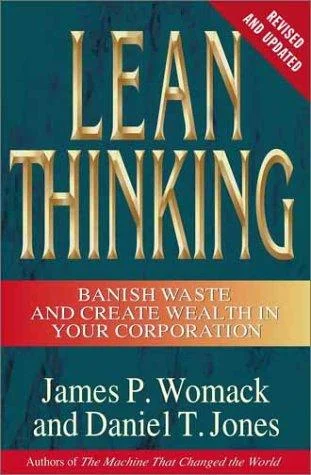
Lean Thinking
James P. Womack · 1996
Management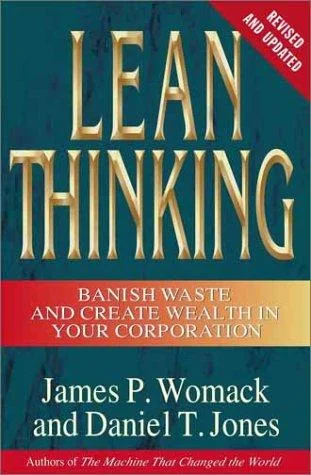
Banish Waste and Create Wealth
Following The Machine That Changed the World, James Womack and Daniel Jones codified the five principles of lean thinking: identify value, map the value stream, create flow, establish pull, and seek perfection. This practical guide showed organizations across every industry how to eliminate waste and create more value with less effort.
Context & Background
While their first book documented what Toyota did, Lean Thinking showed any organization how to do it. Womack and Jones moved beyond manufacturing to demonstrate lean principles in service industries, healthcare, and government — proving that lean isn't a manufacturing technique but a universal management philosophy.
The five principles: Value (defined by the customer, not the producer), Value Stream (identify all steps and eliminate those that don't create value), Flow (make remaining steps flow smoothly), Pull (produce only what the customer needs, when they need it), Perfection (continuously improve toward zero waste). The concept of muda (waste) gave organizations a lens for seeing inefficiency everywhere.
The book accelerated the global lean movement and demonstrated that lean principles apply universally. Its influence is visible in agile software development, lean healthcare, and lean government initiatives worldwide.
Quotes from Lean Thinking
Related Books
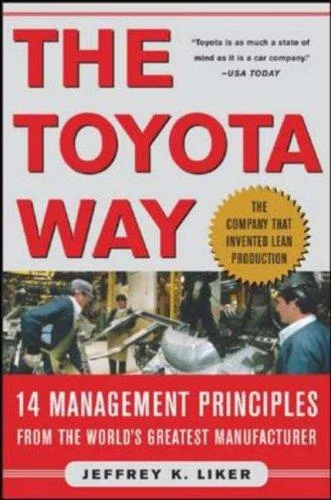
The Toyota Way
Jeffrey K. Liker
Same genre — complementary perspectives on Management
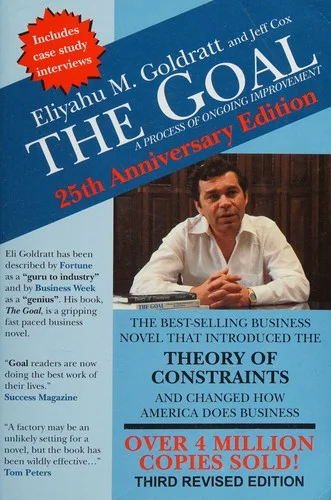
The Goal
Eliyahu M. Goldratt
Essential reading in Management
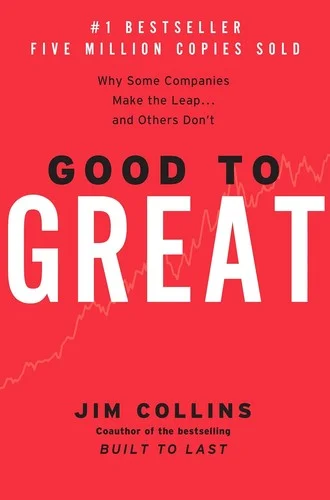
Good to Great
Jim Collins
Complementary insights from Strategy
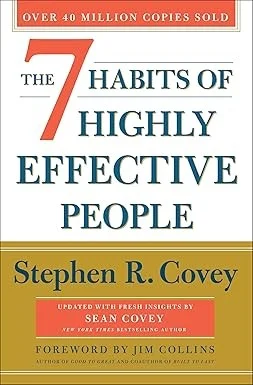
The 7 Habits of Highly Effective People
Stephen R. Covey
Related perspective from Leadership