
How to Win Friends and Influence People
Dale Carnegie · 1936
Leadership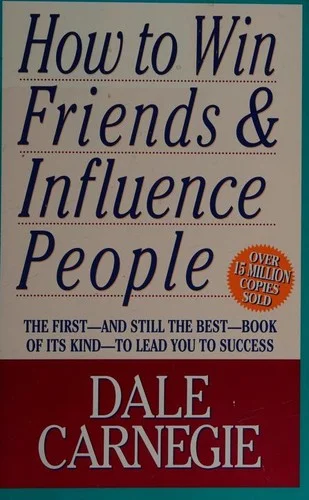
The Timeless Art of Dealing with People
Written during the Great Depression, Dale Carnegie's guide to human relations has sold over 30 million copies and remains the definitive book on interpersonal skills. Its core insight — that you can change other people's behavior by changing your own — sounds simple but runs against every instinct we have. That's why it still needs to be read.
Context & Background
Carnegie was a struggling actor and salesman who discovered that success in business depends far more on the ability to communicate, lead, and deal with people than on technical knowledge. He developed a course that became phenomenally popular, then distilled its principles into this book.
The book's principles are deceptively simple: don't criticize, condemn, or complain; give honest and sincere appreciation; become genuinely interested in other people. Carnegie understood that people are driven primarily by a desire to feel important — and that anyone who fulfills that desire gains tremendous influence. His advice to "talk in terms of the other person's interests" anticipated modern concepts of empathy-driven design and customer-centricity.
Nearly ninety years after publication, How to Win Friends remains the most popular book ever written on interpersonal skills. Warren Buffett credits the Carnegie course he took at age twenty as the most important investment he ever made. The book's principles undergird modern sales training, leadership development, and negotiation theory.
Quotes from How to Win Friends and Influence People
Related Books
The 7 Habits of Highly Effective People
Stephen R. Covey
Same genre — complementary perspectives on Leadership
Leaders Eat Last
Simon Sinek
Essential reading in Leadership

The Toyota Way
Jeffrey K. Liker
Complementary insights from Management

Mindset
Carol S. Dweck
Related perspective from Psychology