How to Live
Sarah Bakewell · 2010
Philosophy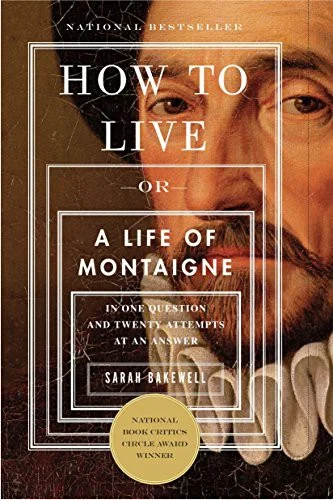
A Life of Montaigne in One Question and Twenty Attempts at an Answer
Sarah Bakewell's How to Live is both a biography of Michel de Montaigne and a guide to his philosophy. Organized around twenty attempts to answer the question "how to live," it shows how Montaigne's Essays — the first of their kind — offer remarkably modern wisdom on everything from friendship to death, from education to the nature of the self.
Context & Background
Montaigne (1533-1592) invented the essay as a literary form and, in doing so, created something unprecedented: a sustained, honest examination of a single human life — his own. Bakewell's achievement is to make this sixteenth-century thinker feel like a contemporary, showing that his questions about how to live well are identical to our own.
Bakewell organizes her book around twenty of Montaigne's answers to the question "how to live": Don't worry about death (it will take care of itself), Pay attention (the foundation of wisdom), Be convivial (enjoy the company of others), Read a lot, then forget most of it (let reading transform you unconsciously), Question everything (especially yourself), Be ordinary and imperfect (embrace your humanity), Let life be its own answer (stop overthinking and start living).
The book won the National Book Critics Circle Award for Biography and introduced a new generation to Montaigne. It is widely regarded as the best introduction to one of philosophy's most humane and accessible thinkers. Bakewell showed that biography and philosophy could be seamlessly woven together.