
The Effective Executive
Peter F. Drucker · 1967
Management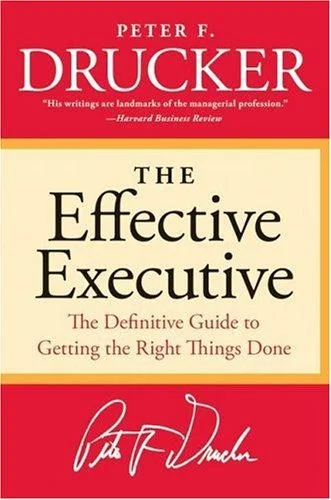
The Definitive Guide to Getting the Right Things Done
Peter Drucker's classic argues that effectiveness can be learned — and must be learned. Intelligence, imagination, and knowledge are essential resources, but only effectiveness converts them into results. In fewer than 200 pages, the father of modern management shows executives how to manage their time, choose what to contribute, build on strengths, set priorities, and make effective decisions.
Context & Background
Drucker wrote The Effective Executive at a time when management theory focused on managing others. He flipped the lens: before you can manage anyone else, you must manage yourself. The book's premise — that effectiveness is a habit, a practice that can be learned — was revolutionary and remains the bedrock of personal productivity thinking.
Drucker's five practices of effectiveness: Know thy time (track and manage it ruthlessly), Focus on contribution (ask what you can contribute, not what you need), Build on strengths (yours and others'), Concentrate on the few major areas where superior performance will produce outstanding results, and Make effective decisions (a disciplined process, not a democratic one).
The book has influenced every serious management thinker since its publication. Jim Collins calls Drucker his intellectual mentor. The concepts of knowledge work, contribution, and strength-based management that Drucker pioneered are now so embedded in management thinking that we forget someone had to invent them.
Quotes from The Effective Executive
Related Books
The Toyota Way
Jeffrey K. Liker
Same genre — complementary perspectives on Management
The Goal
Eliyahu M. Goldratt
Essential reading in Management
Good to Great
Jim Collins
Complementary insights from Strategy
The 7 Habits of Highly Effective People
Stephen R. Covey
Related perspective from Leadership